
Namibia is a country that can leave a visitor pretty speechless. Its landscapes are undoubtedly spectacular, from the towering dunes of the Namib and the dramatic Fish River Canyon to the wildlife-filled plains of Etosha. But there’s another Namibia beyond the scenery, and that’s found in the country’s people, traditions, stories and communities.
And for those who are willing to venture beyond the typical safari experience, the opportunity to meet local communities can be one of the most memorable aspects of a trip. In these moments, Namibia starts to feel less like a destination and more like a place with a living, breathing story.
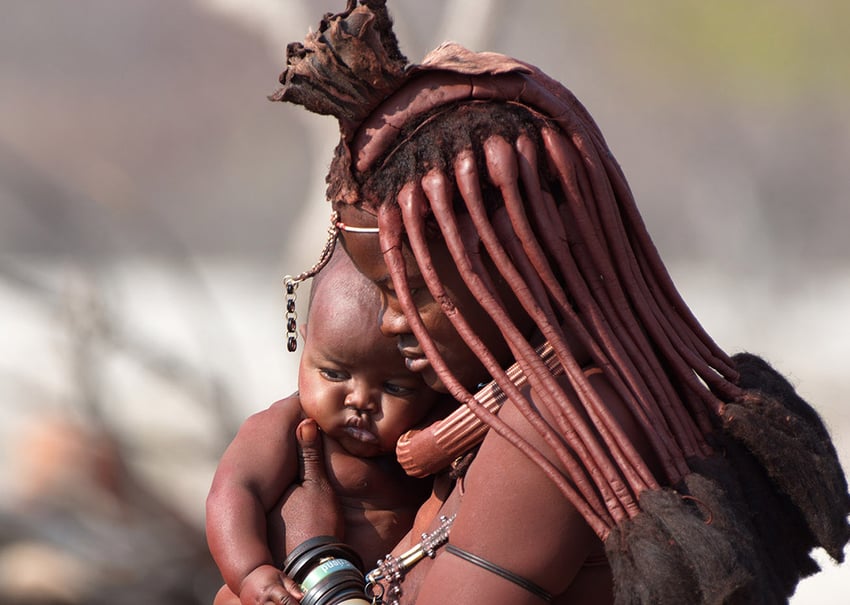
To the northwest the Himba people have maintained a unique lifestyle, shaped by the harsh but beautiful environment of Kunene. Their use of ochre, elaborate hairstyles, livestock and traditional dress are strongly tied to their cultural identity. There is an opportunity to meet with a local guide to learn about the traditions and everyday lives of the Himba people, but it is important to approach the experience with respect and sensitivity.
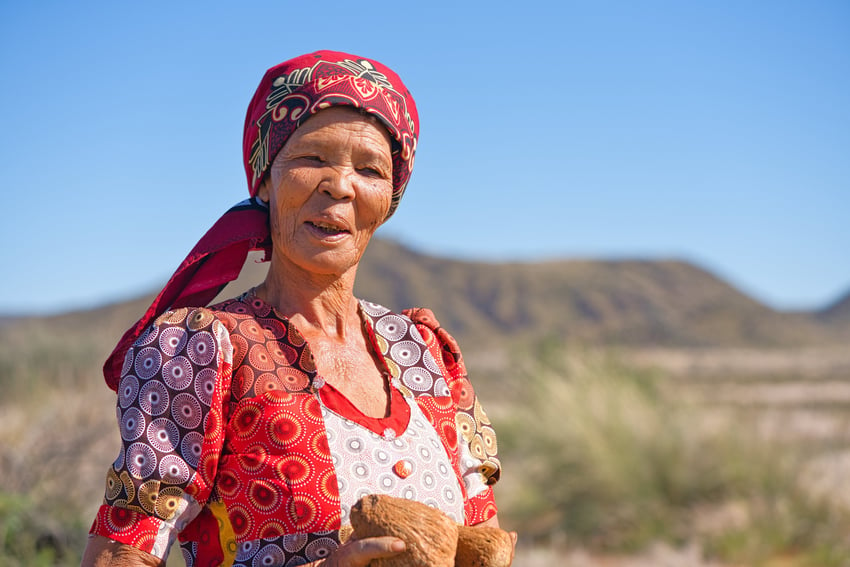
Gondwana Collection Namibia’s cultural storytelling is an essential part of creating meaningful travel experiences. For example, at Canyon Village, murals, traditional dress and stories associated with the surrounding landscape animate the history and culture of the Nama people. Guests are introduced to traditions that might otherwise disappear from memory, including the significance of the Haitsi Aibeb - traditional stone cairns associated with the Nama deity Haiseb.
The experience continues beyond simply observing. Gondwana’s approach to community-based tourism connects travellers with communities while ensuring that tourism contributes to the places they visit. Several Gondwana lodges operate through partnerships with conservancies and traditional communities, including Chobe River Camp in the Salambala Conservancy and Zambezi Mubala Lodge & Camp in the Sikunga Conservancy. These partnerships provide opportunities for local employment, skills development and communities to benefit from tourism revenue.
Further north, near Omarunga Epupa-Falls Camp, travellers can encounter the human stories of the Kunene region. Gondwana’s connection with the local Himba community extends beyond tourism, including support for an early childhood school through the Gondwana Care Trust. They are just a few examples of how travel can be more than a vacation, creating opportunities for communities while helping to protect cultural heritage.
Elsewhere in Namibia, cultural experiences can be as simple as sharing a conversation, tasting traditional food, learning a few words in a local language or listening to an elder tell a story about the area. These moments may not appear on a traditional checklist of attractions, but they often become the memories travellers carry home.
Namibia’s greatest stories are not only written across its mountains, deserts and rivers. They live in the people who call these landscapes home.
To travel Namibia meaningfully is therefore to slow down, listen and connect. Because sometimes the most memorable part of a journey is not what you see but who you meet.
Author: Loretha Muzanima



SUBMIT YOUR COMMENT