
World Teachers' Day, marked globally on 5 October, carries extra weight this year: the 60th anniversary of the day, under the theme 'Standing with Teachers: 60 Years of Protecting the Profession, Advancing its Status, and Shaping Our Futures'.
.jpg?width=4992&height=2775&name=GeenaVisagie_Care%20Trust_Bloukrans_DSCF1031%20(1).jpg)
Through our Back-to-School and MealForTwo programmes, we work alongside teachers across Namibia, from Grünau in the south to Ngoma in the Zambezi. Ahead of this year's day, we asked a few of them what keeps them going and what Namibian schools still need more of. Three themes came up repeatedly: more resources, more teachers so each child gets individual attention and stronger relationships between schools and the families they serve.
For many children, school is where they get dedicated time and encouragement they might not find anywhere else. It's a place to move, as one teacher put it, from "I can't do it" to "I can do this."
_109%20(1).jpg?width=5568&height=3712&name=GCT_visit(rotary)_109%20(1).jpg)
Small moments, lasting impact
At Promiseland in Walvis Bay, Lowisa Gorases, who has taught 3–5-year-olds for nine months, put it simply: "The impact is not always measured by big achievements. It's about a child finally understanding that someone believes in them." Her colleague Bobby Kavetuna, teaching at Promiseland for three years, is blunter about the profession's importance: "Teaching is actually the most underrated job, but it's the only job that makes all the other careers possible."
.jpg?width=4092&height=3036&name=GeenaVisagie_Care%20Trust_Bloukrans_DSCF1080%20(3).jpg)
In Windhoek, Eunike Iiyambo has spent 15 years as an "educarer" at Etuhole Pre-Primary School, working with children aged 3 to 6. What drives her, she says, is "seeing children learn, grow and become more confident each day." Her ask for Namibian schools: more early-childhood learning materials, ongoing teacher training and smaller class sizes "so we can give every child the attention and care they deserve."
Teaching as more than a classroom role
Some 20km from Omuthiya in the Oshikoto Region, Rindivina Niingo has taught Grade 3 at Onakasino Primary School for seven years. She describes the weight of the job: being watched not just as a teacher, but as a role model, down to how she speaks and carries herself. One detail stood out: sometimes a learner arrives at school on an empty stomach and she shares her own lunch. "It may seem like a small gesture," she says, "but it can make a meaningful difference... it reminds them that someone cares."
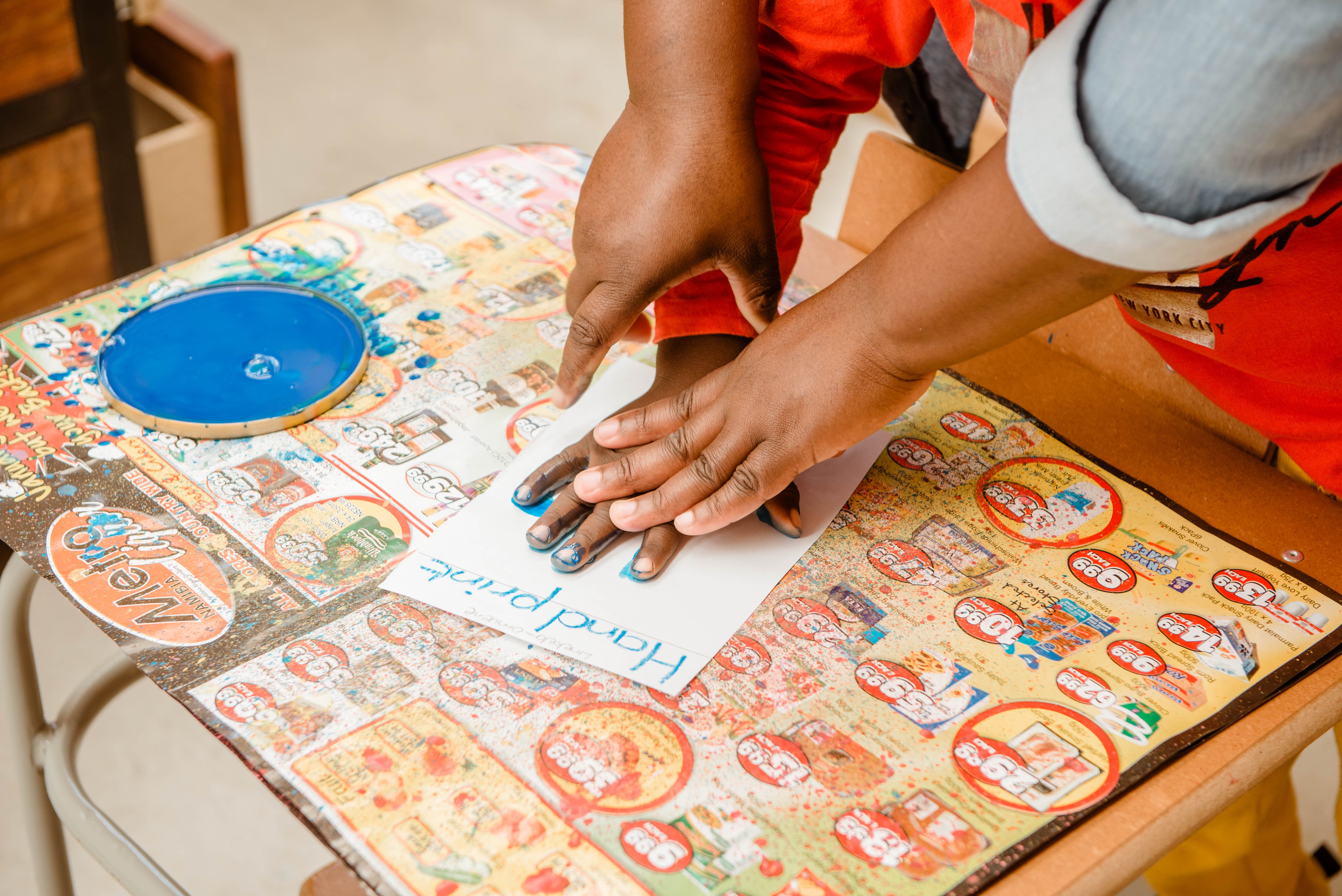
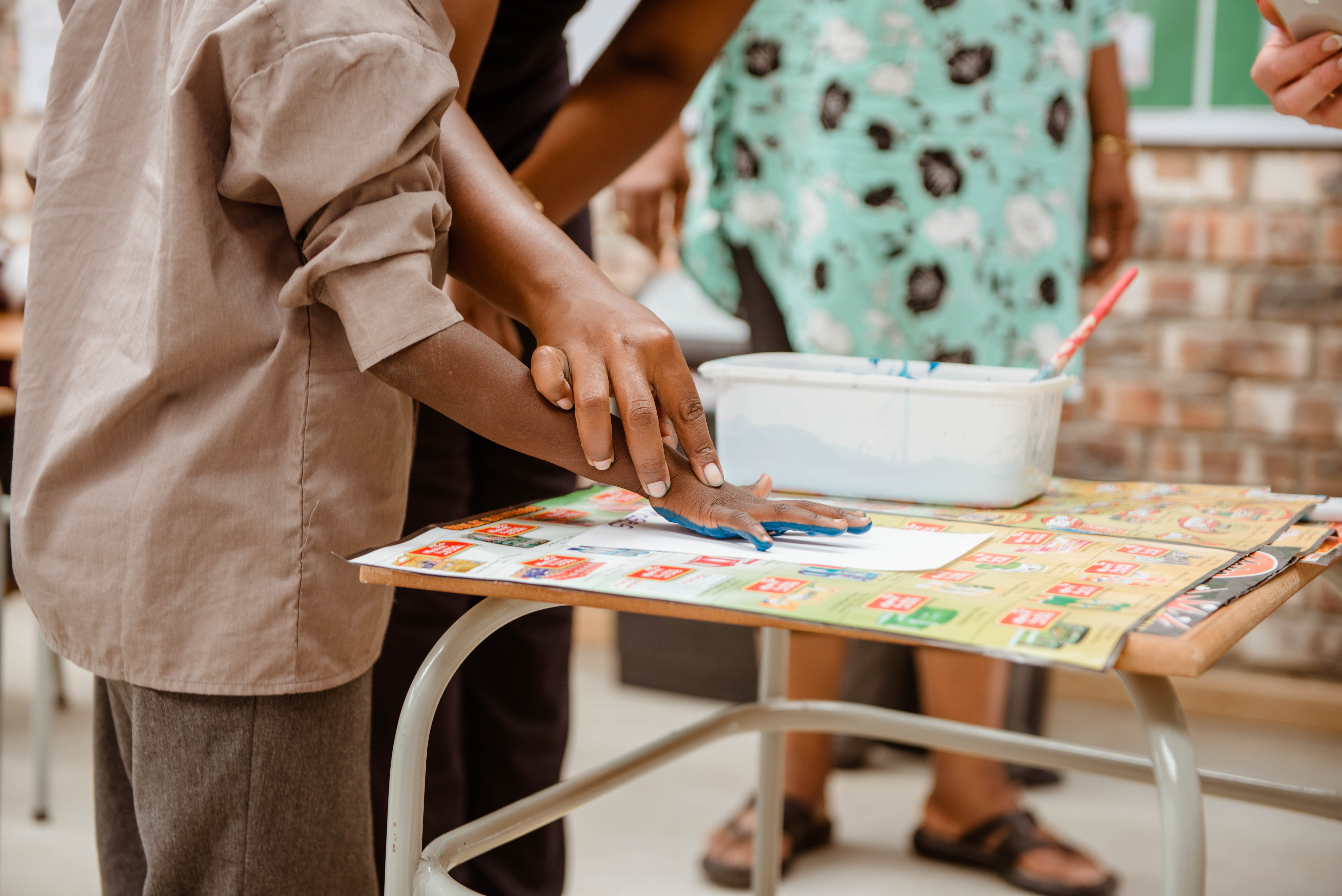
In Rundu, in the Kavango East region, Elina Nyumba has taught Grade 0–3 for eight years at Gothardt Haininga Junior Primary. Her focus is on the basics many take for granted, such as helping six-year-olds learn to hold a pencil for the first time. Her message for the country is direct: too many Namibian learners are still taught under trees or in overcrowded classrooms, and better infrastructure would let teachers give each child the attention they deserve.
Why this matters to us
None of what Gondwana Care Trust provides, whether school supplies, meals or equipment, replaces what these teachers do every day. But hearing directly from them is a reminder of what that support is actually for: giving teachers a little more room to do the work only they can do.
To every teacher we work alongside, and to every one we haven't yet met: thank you.
.jpg)

SUBMIT YOUR COMMENT