
At Gondwana Collection Namibia, sustainability is not simply a concept discussed in boardrooms – it is something practiced every day, often in quiet and practical ways that may go unnoticed by guests but make a meaningful difference to the environment.
One such example is the company’s ongoing partnership with BEE Biofuel Namibia, which is helping transform a common waste product into an environmental solution.
Across Gondwana’s lodges, used cooking oil is collected and recycled by BEE Biofuel Namibia. Instead of ending up in drains or landfills, the oil is repurposed through responsible recycling processes. As part of this partnership, Gondwana receives an eco-friendly biological treatment product in return: Baczyme Sewage Powder.
Recently, BEE Biofuel Namibia visited Gondwana’s Head Office to hand over 14 containers of the biological sewage powder, each weighing 500 grams. While the product may look simple, the science behind it reflects a growing shift toward natural and biological solutions for environmental management.
The powder contains naturally occurring bacteria that actively break down FOG (fat, oil, and grease), which are common causes of blockages and unpleasant odours in kitchen fat traps and wastewater systems. When introduced into grey water systems, septic tanks or drainage systems, the bacteria begin to digest and dissolve organic waste and oils, reducing buildup and supporting more efficient waste treatment processes.
For Gondwana’s remote lodges, where wastewater must often be treated on-site, solutions like these are particularly valuable. The bacteria help break down organic solids while neutralising odours, improving the efficiency and stability of wastewater treatment systems. Importantly, the product works biologically, meaning it complements existing water treatment processes rather than disrupting them. Another advantage lies in the product’s environmental safety. The sewage powder is non-hazardous, non-carcinogenic, non-genetically modified and non-pathogenic, making it safe to handle and suitable for ecologically sensitive areas.
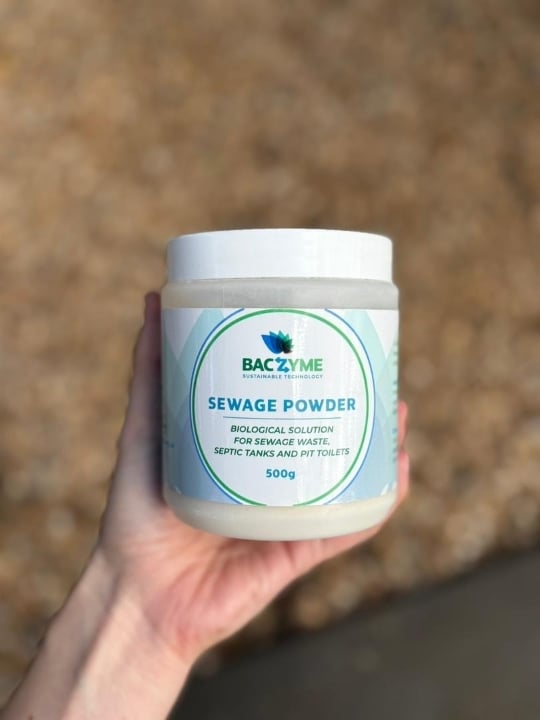
Image: Gondwana Collection Namibia
When used consistently, the biological treatment offers several long-term environmental benefits. By accelerating the breakdown of organic waste, it helps reduce pollution and lowers the likelihood of waste leaching into surrounding soil or groundwater. It also reduces the growth and transfer of harmful disease-causing organisms while keeping unpleasant odours under control.
For Gondwana Collection, the value of this initiative lies not only in the product itself, but in the circular approach it represents. Supplied locally by BEE Biofuel, the product is applied in kitchen fat traps to safely and efficiently break down FOG, reducing environmental impact and promoting eco-friendly practices in our operation.
The sewage powder will be tested at several Gondwana lodges, particularly in kitchen fat traps, where fats and oils tend to accumulate. If successful, the product could become another small but important tool in Gondwana’s broader environmental management practices.
In the tourism industry, sustainability often focuses on large initiatives such as renewable energy, wildlife conservation, or water-saving infrastructure. Yet the everyday operational choices – how waste is handled, how water systems are managed, and how partnerships are formed, are equally important.
Through collaboration like the one with BEE Biofuel Namibia, Gondwana continues to demonstrate the responsible tourism is built on many small, thoughtful decisions. When those decisions are made consistently across lodges and operations, they add up to a meaningful impact for Namibia’s fragile ecosystems.
Because ultimately, caring for the landscape that travellers come to experience begins with caring for the systems that support them.

SUBMIT YOUR COMMENT