
From Competition to Career: Wilhelm Puliselia’s Journey with Gondwana
For many young Namibians entering skills competitions, the experience is about testing...


Guided by Gondwana’s Sustainability philosophy, our operations are envisaged to leave minimal environmental impact while promoting a circular economy. From repurposing material and using renewable resources during property construction to resource disposal, we invest in practices and partnerships that benefit the planet.
Repurposing Resources
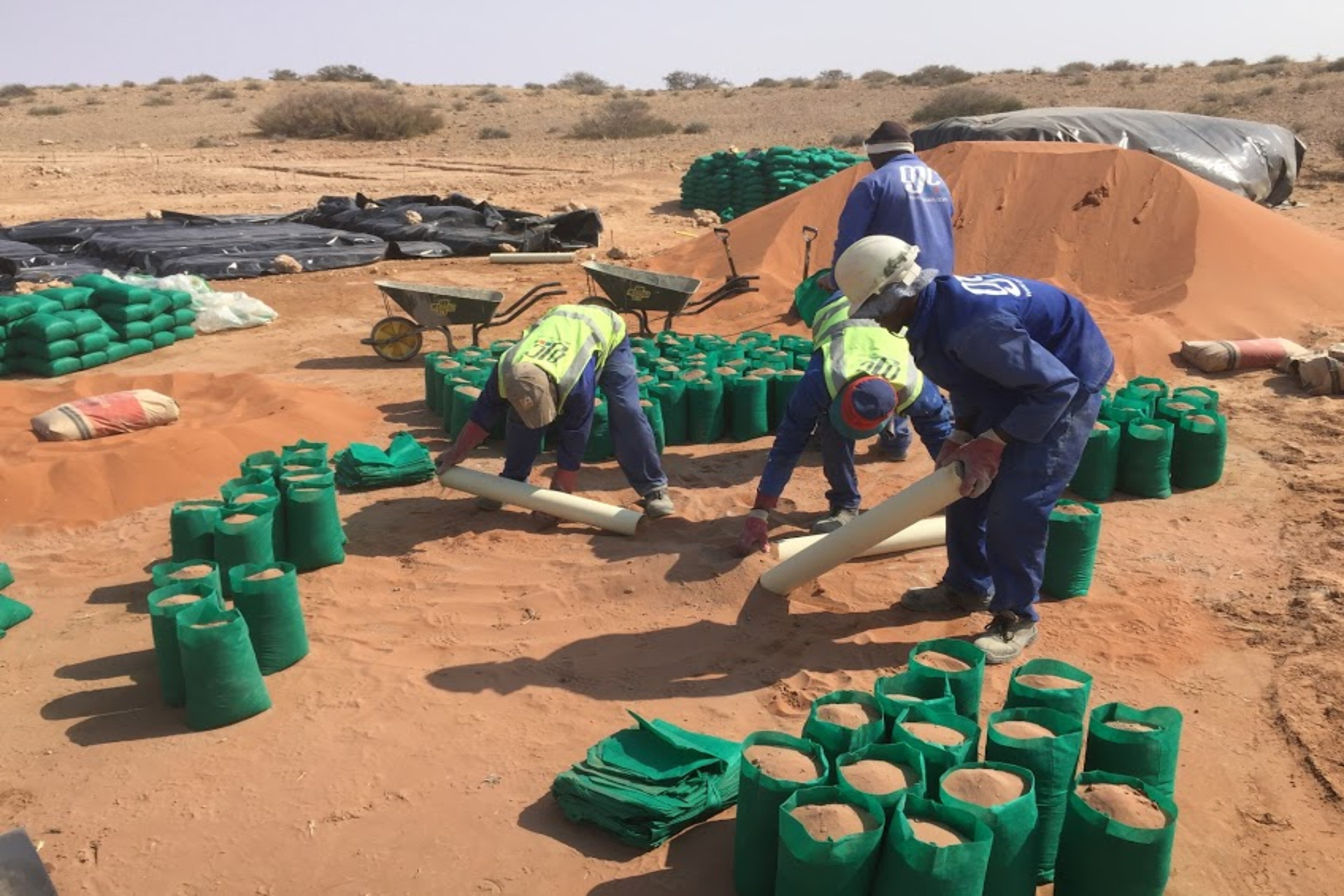
Across Gondwana properties, it is standard practice to repurpose and transform on-site material before procuring alternative materials. This includes repurposing materials such as wood and metal from old infrastructure into new items. During the construction of Etosha King Nehale and The Desert Grace, previous material remnants from construction were repurposed from the surrounding environment. For example, the walkways at The Desert Grace were constructed using crushed glass, which was sourced from other Gondwana properties and crushed on-site by a glass crusher. Over 200 tons of glass bottles were repurposed! At Gondwana’s private nature parks, such as Gondwana Kalahari Park and Gondwana Canyon Park, wildlife waterholes were also constructed using crushed glass. This allowed for further repurpose of glass bottles as we opted for recycling the resources already at our disposal, while averting the carbon dioxide emissions associated with cement production. At Etosha King Nehale, the main buildings were constructed using sandbags that were filled on-site, as this natural building material has remarkable sound and thermal insulation qualities. Through these repurposing practices, Gondwana contributes to SDG 9: Industry, Innovation, and Infrastructure, and 12: Responsible Consumption and Production, which promotes resource recycling, waste minimisation, and efficient use of resources.
Lodge Water Recycling and Saving
To recycle used freshwater and reduce reliance on Namibia’s limited freshwater resources, 90% of Gondwana’s lodges are equipped with waste water treatment plants, where used freshwater is purified and reused on the lodge gardens. If a lodge does not have a garden, such as at The Desert Grace in the Namib desert, recycled water recharges the underground aquifer system. In Namibia, freshwater resources are scarce and rainfall is unreliable, which calls for sustainable water management practices to benefit people, the environment, and the economy. Here, we support SDG 6: Clean Water and Sanitation, as well as SDG 12: Responsible Consumption and Production, in terms of water resources management.
Namibian Sunshine for Solar Energy
In efforts to be self-sufficient, we harness Namibia’s abundant sunshine. Gondwana lodges are equipped with solar panels with the only exceptions being Zambezi Mubala Camp, The Delight Swakopmund, and The Weinberg Windhoek. Lodges produce up to 53% of their energy from solar, and six of Gondwana’s lodges operate 100% on solar energy. By investing in solar energy, we also invest in SDG 7: Affordable and Clean Energy.
Responsible Waste Recycling
In partnership with Rent-a-Drum, waste from Gondwana lodges across the country are recycled and disposed of in an environmentally sustainable manner. Lodges are encouraged to avoid and eliminate single-use plastics; this practice is further enhanced as lodges utilise their own garden produce instead of store-sourced produce which comes in plastic packaging.
Partnerships for the Planet
Gondwana has partnered with numerous like-minded organisations that recycle and transform resources in environmentally sustainable ways. From all Gondwana properties, used cooking oil is recycled into biofuel by BEE Biofuel Namibia. Used engine oil is also collected and recycled by OilTech Namibia into firelighters, which our lodges purchase again. Electronic waste from properties, including computers, cables, and batteries, is recycled with NamiGreen.
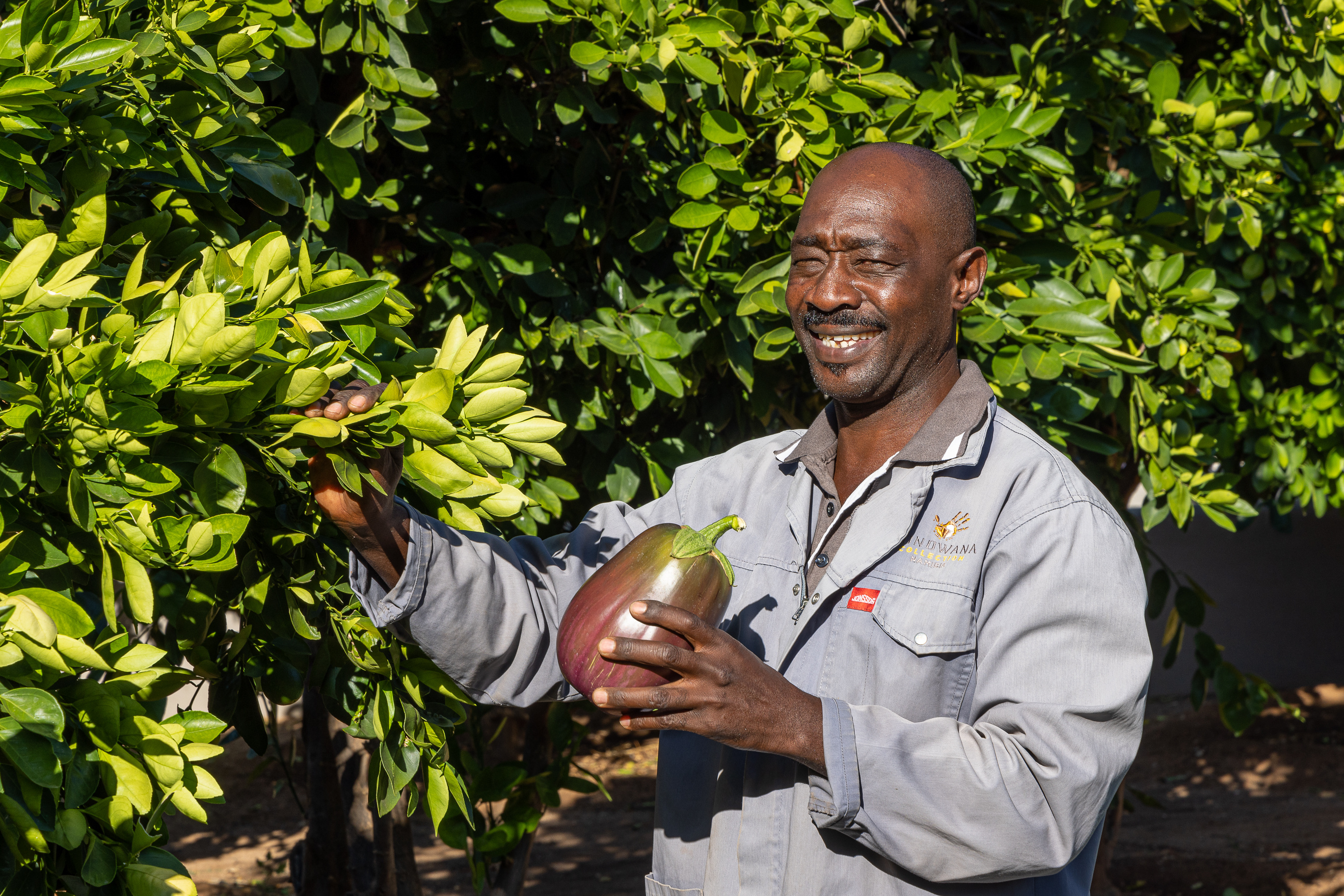
In sustainable agriculture, Gondwana’s Self-Sufficiency Centre (SSC) at Kalahari Farmhouse near Stampriet supplies all Gondwana properties with organic meat and lodges have self-sufficiency gardens to cater for their basic fruit and vegetable needs. At Damara Mopane Lodge, each guest room has its own vegetable garden, which supplies 80% of the lodge’s required produce. At Namib Desert Lodge and Canyon Lodge, netted tunnels cultivate herbs, tomatoes, lettuce and cabbage, and an aquaponics tank provides Zambezi Mubala Lodge with herbs and lettuce. With self-sufficiency gardens, lodges can reduce carbon emissions and plastic from store-sourced packaging and transport. We also utilize a naturally safe and sustainably produced fertilizer, which is produced by harnessing the Black Solder Fly’s composting capabilities.
Through these practices and partnerships that focus on sustainability, notwithstanding Gondwana’s nature conservation initiatives, we strive in contribution to SDG 13: Climate Action, which is a goal significant to conserving Namibia’s people and ecologically sensitive landscapes.
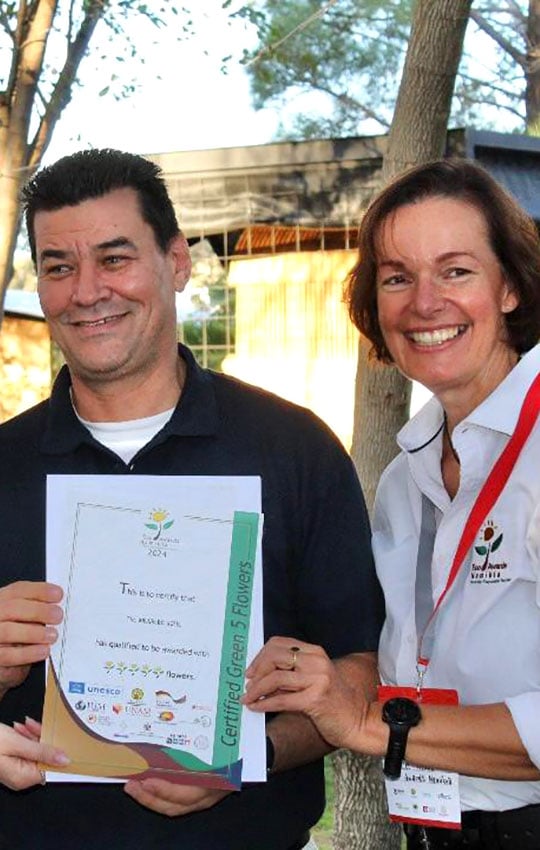
During the past years our sustainability efforts at the lodges have been repeatedly acknowledged with the highest seal of quality awarded by the environmental initiative, Eco Awards Namibia. Similar to the star-rating system used for tourist accommodations, Eco Awards Namibia awards up to five flowers for environmental sustainability. It is a voluntary programme. In 2022, seventeen of the Gondwana lodges received a five-flower rating. Categories include conservation and guiding, energy, water, legal compliance as well as employee management and health, amongst others. Seven of these accommodations even received the elusive "5 Green Flowers"; this award is based on excellent ratings in the 'green' environmental areas of nature conservation, water, energy and waste management. Participation in the Eco Awards is voluntary, and the accommodation is re-evaluated every three years.
2020 was the fifth consecutive year that a Gondwana Collection Namibia property has reached the final round of the Responsible Tourism Awards (RTA) and the second time to win the award. Canyon Village scooped the prestigious award in the Accommodation Establishment category. In 2018, Namib Desert Lodge was the winner and set new standards by achieving the maximum score (100%) in terms of conservation and guiding, energy, water, staff and health, legal and NTB compliance. The Responsible Tourism Awards, initiated by Namibia Media Holdings (NMH), aim to acknowledge tourism companies that practice eco-tourism and invest in the local communities where they operate.
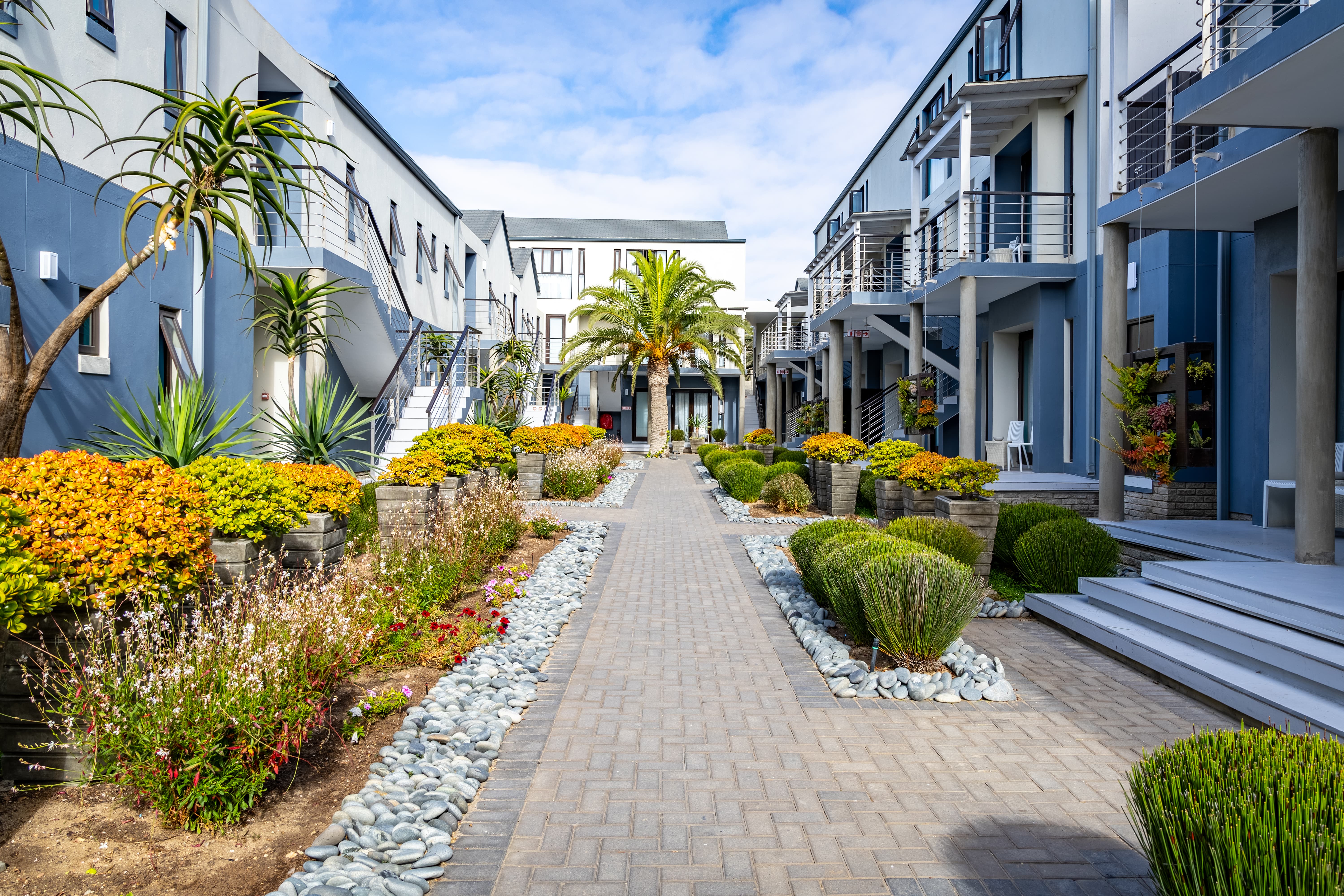
Sustainability is Gondwana’s guiding philosophy, with its pillars rooted in people, planet, and partnerships. In a country where tourism drives significant revenue and many rural communities rely on natural resources for sustaining livelihoods, these three pillars unite to create an inclusive, sustainable model that benefits and stimulates communities, nature, and Namibia’s economy. Gondwana’s sustainability philosophy promotes ethical travel, truly affording guests the opportunity to invest in travel experiences that prioritise social, cultural, and environmental responsibility. At our lodges, sustainability initiatives are implemented as we intertwine eco-tourism with exceptional hospitality experiences, and we invite guests to join us on our sustainability journey.
Eco-etiquette for Guests
As a guest, you can support Gondwana’s sustainability initiatives in various ways. From adopting a Quiver tree to adhering to Namibia’s national laws surrounding biodiversity conservation, guests have a myriad of ways in which they can champion regenerative and conscious travel in Namibia, and beyond.
1. Adopt-a-Quiver Tree: Gondwana’s Adopt-a-Quiver Tree project in Gondwana Canyon Park promotes ecosystem restoration, as indigenous trees are re-introduced into the park to strengthen existing, but dwindling, Quiver tree populations. By adopting a Quiver tree, you can do your part in protecting the delicate ecosystems of the Fish River Canyon landscape, which are at risk from climate change, and aid in upholding its beauty and biological importance for generations to come. Read more about how you can support Gondwana’s Adopt-a-Quiver Treee project here.
2. Indulge in community-based tourism: Numerous Gondwana lodges are situated in communal conservancies and operate under legal business contracts with conservancy partners, which ensures that local communities benefit equitably from revenue generated by lodges. These surrounding communities offer enriching cultural heritage tours and activities for guests – immerse yourself in their local traditions and cuisine, while supporting community development and cultural preservation. Inquire about cultural heritage activities on offer at our lodges, and support community-based tourism during your stay with us.
3. Have green hands: Gondwana’s lodges are situated in Namibia’s most breathtaking yet ecologically sensitive landscapes. Thus, efficient use and management of resources is essential in ensuring the long-term viability and beauty of these landscapes. Throughout our lodges, keep an eye out for our Green Hands signage, which provide guidelines for guests on how they can be resource efficient when it comes to water, energy, and waste.
4. Be mindful visitors: Due to the remote nature of majority of Gondwana’s lodges, guests are afforded the opportunity to unwind in a beautiful natural landscape – which is also the place that local fauna and flora call home. A few of Gondwana’s Collections are also located in Gondwana’s private nature parks: the Namib Collection in Gondwana Namib Park, the Kalahari Collection in Gondwana Kalahari Park and the Canyon Collection in Gondwana Canyon Park. We therefore encourage guests to be mindful of fauna and flora which they are likely to encounter at Gondwana’s lodges and in-park, by considering these guidelines:
- Respect wildlife by maintaining distance upon encounters, as well as by not feeding them, as this can disrupt wildlife’s natural behaviour, diet and overall health.
- No unauthorised removal of animal and plant material from parks is permitted; this is a prosecutable offense.
- Stay on demarcated roads and trails – no offroad driving or detours are permitted. This ensures minimum human impact on ecosystems, as damage caused by deviating from roads or trails may have devastating implications for ecosystems.
- Practice responsible waste disposal. Opt to carry a refuse bag on your travels as disposal bins are not always available along roads, to ensure that ecosystems remain free of human waste. We invite guests to recycle their waste at the recycling stations at our lodges.
The impact of sustainability initiatives is amplified as guests support local nature conservation and community-based tourism activities, use resources efficiently, and honour fauna, flora, and landscapes. This impact may not be immediately visible in surrounding ecosystems but have a strengthening and relieving effect on them, stabilising their intricate connections and ability to thrive amidst changing climatic conditions. In this way, communities are empowered through sustainable environmental management, and guests can truly champion ethical travel as they leave a positive impact and support fellow communities, nature, and economic development during their travels.
%20540x800.jpg?width=540&height=800&name=Annelien_SSC%20(06)%20540x800.jpg "Women walking, greenhouse, vegetables, Namibia")
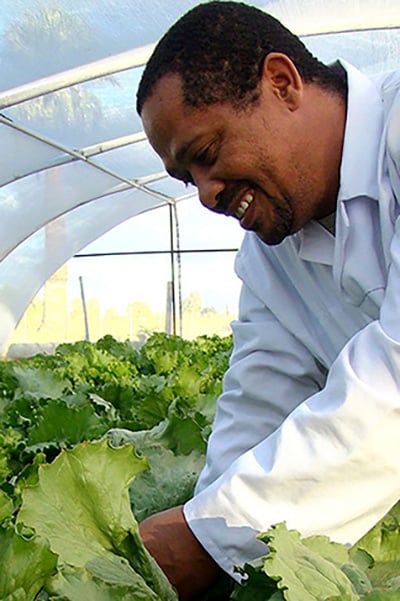
Guests at our lodges always marvel at the appetising buffets with large selections of fresh salads and delicious meat products. Our secret is the Gondwana Self-Sufficiency Centre (SSC). It is a farming operation which includes greenhouses as well as its own on-site butchery and smokehouse.
The SSC near the village Stampriet forms part of the Kalahari Farmhouse, one of the smaller Gondwana lodges. Owing to the ready supply of water by a multi-layered aquifer system, Stampriet is the perfect location for the SSC. From here all of Gondwana’s accommodation establishments are supplied with organic meat.
Furthermore, all Gondwana lodges are encouraged to establish self-sufficiency gardens to cater for their basic fresh fruit and vegetable needs. The size and design of the garden depends on the property. At Damara Mopane Lodge, each guest room as its own vegetable garden, which supplies 80% of the lodge’s required produce.
Namib Desert Lodge and Canyon Lodge have netted tunnels where herbs, tomatoes, lettuce and cabbage are grown. Zambezi Mubala Lodge has an aquaponics tank for supplying guests with herbs and lettuce. Thus, the lodges can reduce the carbon footprint that comes with store-bought vegetables’ packaging and transport.
%20(1)%20(1).jpg?hsLang=en)
%20(1).jpg?hsLang=en)
For many young Namibians entering skills competitions, the experience is about testing...
Damara Mopane Lodge recently had the privilege of hosting a delegation from the Ministry...
As the first school term slowly draws to a close with holidays in sight, the Gondwana...