
English
Gondwana Collection Namibia
Health & Safety Measures
Safe Travel in Namibia with Gondwana Collection
At Gondwana Collection Namibia, your health, safety and peace of mind are our highest priorities. We are committed to maintaining high standards of health, safety and regulatory compliance across all 50 accommodation offerings.
Namibia is one of Africa’s safest travel destinations, known for its political stability, wide open spaces and excellent tourism infrastructure.
We look forward to welcoming you to our beautiful country.
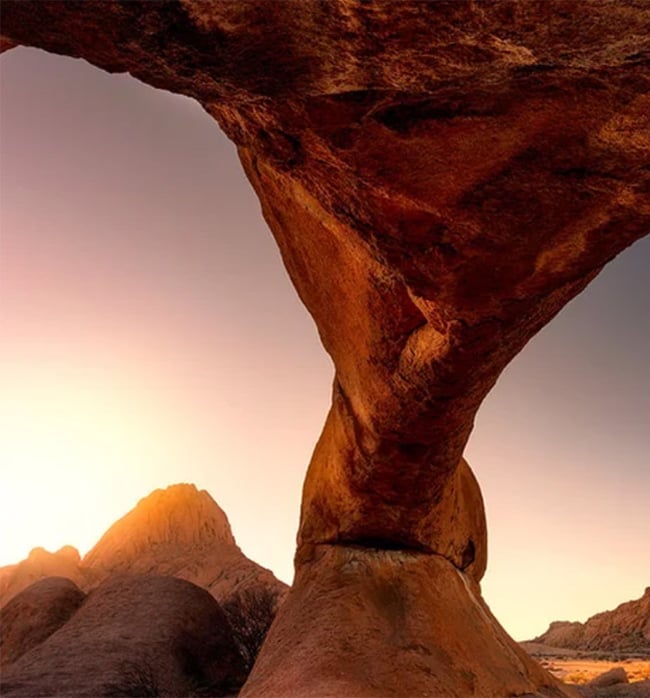
Medical Support & Emergency Assistance at Gondwana Lodges
Gondwana Collection Namibia partners with OnCall, a Namibian telemedicine provider, offering guests remote access to medical professionals via phone, WhatsApp or SMS.
Selected standard over-the-counter medication is available at Gondwana properties and may be issued in accordance with an OnCall prescription where required.
Should the need arise, OnCall can coordinate emergency response services and evacuation assistance.
Services are available to lodge guests as well as travellers using Namibia2Go rental vehicles.
Any medication dispensed by the lodges based on an OnCall prescription, as well as any emergency response or evacuation services coordinated through OnCall, will be at the guest’s or patient’s own expense.
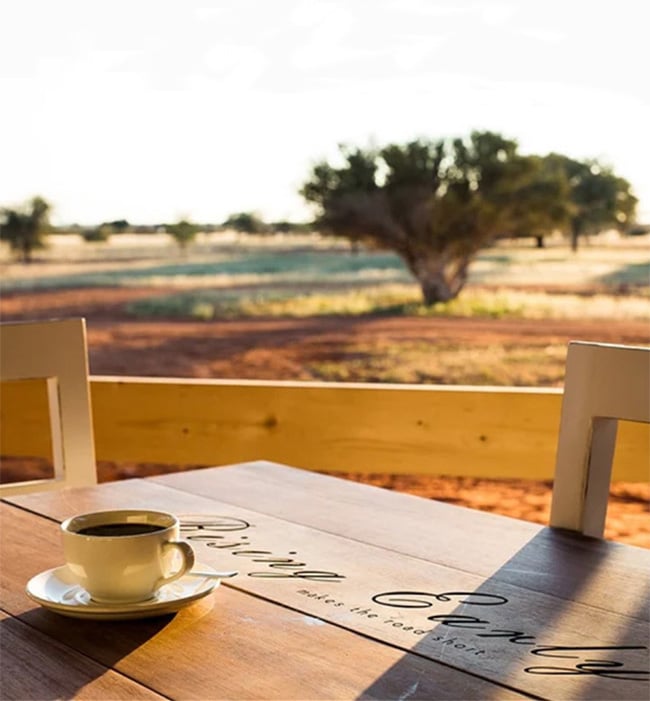
Hygiene & Compliance Standards
All Gondwana properties adhere to Namibian health and safety regulations and maintain strict health, hygiene and safety protocols, including:
- Regular cleaning and sanitation procedures
- Regular staff training in hygiene and emergency procedures
- Safe food handling practices
- Ongoing compliance monitoring and risk assessments
Gondwana’s sustainably operated lodges, hotels and camps are designed to blend into Namibia’s vast landscapes, offering natural space, fresh air and low-density accommodation, contributing to a safe and comfortable travel experience.
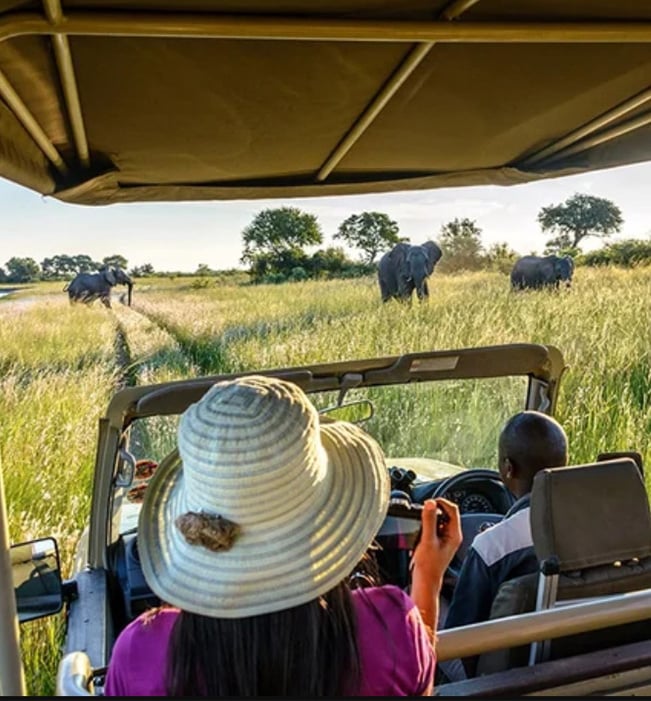
Health Advice for Namibia
How can guests ensure a safe journey in Namibia? We recommend that all travellers obtain comprehensive travel insurance for any medical emergencies or unexpected situations during their stay.
Malaria risk in Namibia is primarily confined to the northern regions and is seasonal. The central and southern areas, including key desert destinations, are regarded as low-risk. Guests should consult a medical professional regarding malaria prophylaxis for Namibia. Preventative measures remain essential:
- Wear light-coloured, long-sleeved clothing- Use mosquito repellent
- Sleep in rooms with air conditioning or fans, and use a mosquito net if provided.
- Please note that no prophylaxis guarantees 100% protection.
Travellers arriving from countries with a risk of yellow fever must present a valid Yellow Fever vaccination certificate.
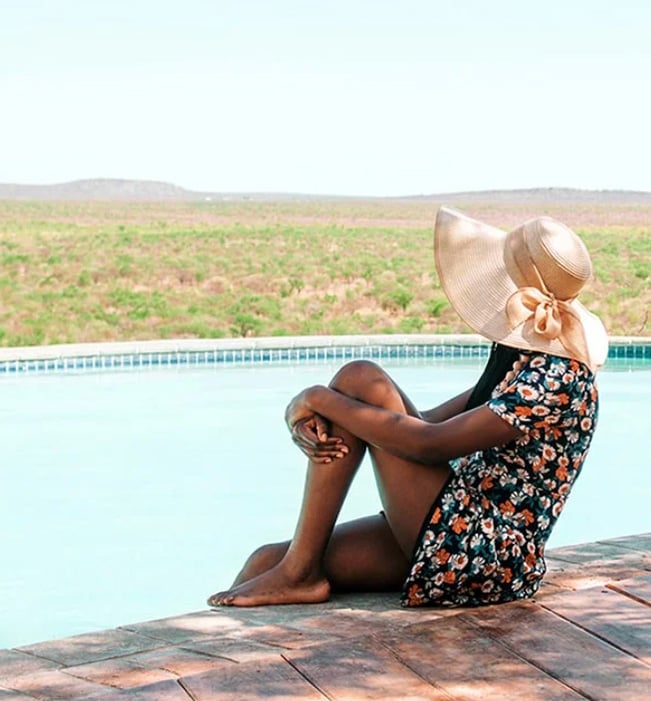
Climate & Wellness Tips
Namibia’s climate is generally dry and sunny year-round. To stay healthy during your trip:
- Use high SPF sunscreen (SPF 50 recommended)
- Wear a wide-brimmed hat and sunglasses
- Stay well hydrated at all times
- Pack warm clothing if travelling during winter (June–August), as mornings and evenings can be cold
For additional information on travel in Namibia and travel safety tips, please consult our Namibian Travel Guide.
Frequently Asked Questions – Health & Safety in Namibia
Is Namibia a safe travel destination?
Yes. Namibia is considered one of the safest travel destinations in Africa, with political stability, low population density, well-developed tourism infrastructure and excellent medical services in major centres.
Are vaccinations required for Namibia?
No routine vaccinations are required for entry. However, a valid Yellow Fever vaccination certificate is mandatory if travelling from a yellow fever risk country.
Is malaria a risk in Namibia?
Malaria risk is limited mainly to northern Namibia and is seasonal. The central and southern areas, including key desert destinations like Sossusvlei, Swakopmund and the Fish River Canyon, are regarded as low-risk. Etosha National Park falls in an area with low to moderate risk. Consult your doctor for personalised advice on preventative measures prior to travel.
What medical support is available at Gondwana lodges?
Guests have access to telemedicine consultations through OnCall. OnCall can also arrange emergency medical assistance and evacuation.
Does Gondwana Collection Namibia follow hygiene standards?
Yes. All properties comply with Namibian health and safety regulations, maintain strict hygiene protocols, and conduct regular operational audits to ensure guest safety.
What health precautions should I take in Namibia’s climate?
Use high SPF sunscreen, stay hydrated, wear protective clothing and pack warm layers for winter travel (June–August).

©2026. Gondwana Collection Namibia.
All rights reserved.